
What Happens If You Train an AI Only on Scripture and Tolkien?
A thought experiment exploring what happens when AI learns from narratives that prioritize meaning over facts - and the crucial difference between metaphor and false belief.
A thought experiment exploring what happens when AI learns from narratives that prioritize meaning over facts - and the crucial difference between metaphor and false belief.
AI is a remorseless liar, trained on a mountain of text whose whole purpose was persuasion, not accuracy. No amount of prompting fixes that on its own. You have to stop enabling it.

Edison metered electrons by the ampere-hour before anyone metered tokens, and the War of Currents was fought over the same problem the AI economy has now: getting a dead commodity to a device built to do something with it.
Open-label placebos work on patients who were told, in writing, that the pill is inert. Richard Dawkins' recent essays about Claude are the same finding, running on a different substrate.
Tell the model to close every response with a short list, split by who acts. It turns a wall of prose back into something you can actually run a project on.

A taxonomist's view of Jev: the closed-category, confidence-scored work I built by hand for AT&T in the 90s, now manufactured to order by an LLM.

The em-dash sneer, the anti-AI backlash, and the real skill: curating a machine's raw output down to something worth a human's attention.

A new word for an old concept: anaidic. Entities incapable of shame or accountability — individual, institutional, or artificial. Here's how it got named.
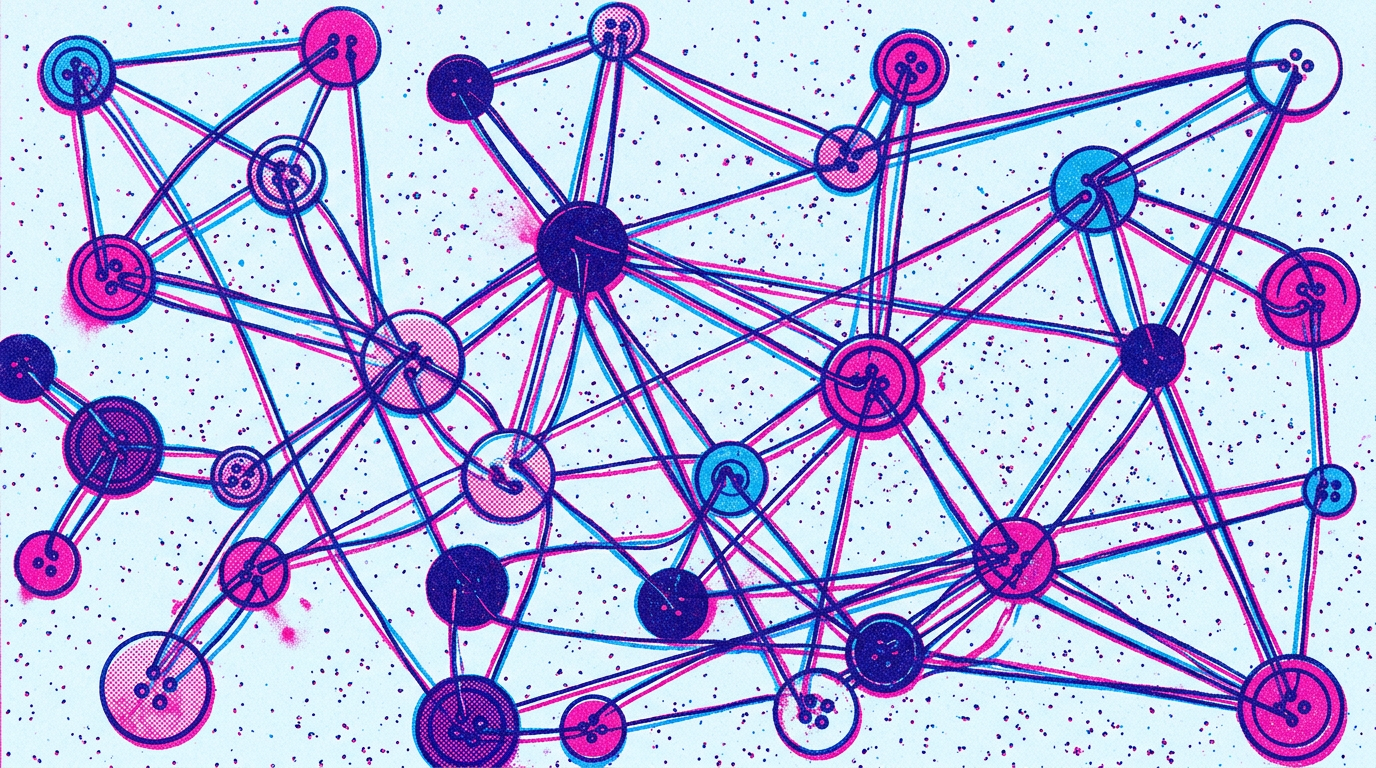
Graph theory is the other kind of graph — the math of things connected to other things — and once you can see the pattern, you can't stop seeing it.
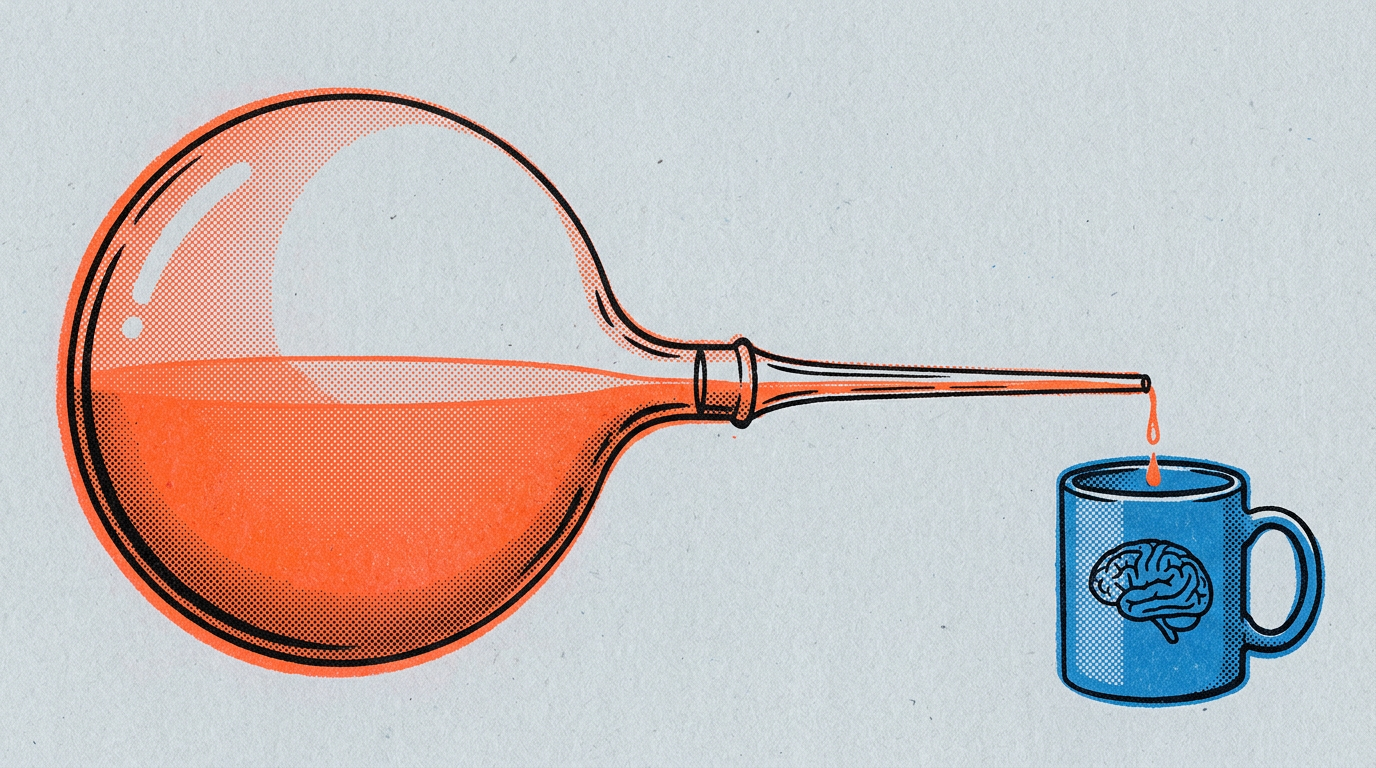
Language models have effectively read every book ever written. You process what they hand back at a fixed fifty bits a second, a number that hasn't moved in your species' history. That fixed rate is the actual chokepoint.